Composite Tooth Filling
Learn how tooth-colored composite fillings are used to treat cavities and replace selected failing restorations while preserving healthy tooth structure.
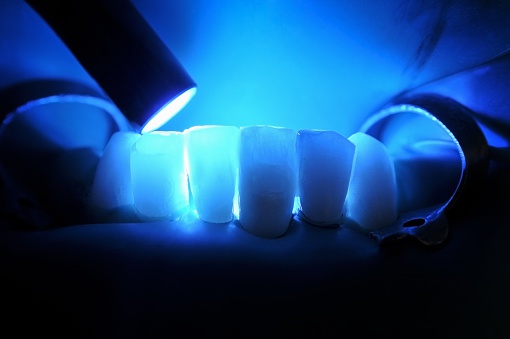
Composite fillings are tooth-colored restorations used to repair teeth affected by decay, small fractures or selected defective restorations. Modern composite materials bond to the tooth, allowing the preparation to be shaped around the actual damaged area rather than removing additional tooth structure solely for mechanical retention.
How is a cavity treated?
The tooth is numbed when necessary and the decayed or compromised material is removed. The tooth is isolated, adhesive steps are completed and composite is placed and cured in increments. The restoration is then shaped, polished and adjusted so the bite feels appropriate.
Are tooth-colored fillings always the best choice?
Composite is versatile, but the ideal restoration depends on the size and location of the defect, moisture control, bite forces and the amount of healthy tooth remaining. A very large restoration may be better treated with an onlay or crown.
Do old metal fillings need to be replaced?
Not simply because they are metal. An intact restoration that is functioning well may not need replacement. Reasons to replace a filling can include recurrent decay, fracture, open margins, loss of tooth structure or another clinical problem. Replacing a sound restoration unnecessarily removes additional tooth structure.
How long do composite fillings last?
There is no single lifespan. Size, tooth position, grinding, diet, oral hygiene and the amount of remaining tooth structure all influence longevity. Small restorations in favorable conditions generally have a different prognosis from very large restorations under heavy bite forces.
Tooth-colored fillings in Palo Alto
Dr. Sharma's approach is to remove what needs to be removed and preserve what can predictably remain.
Request an appointment if you have a cavity, broken filling or sensitive tooth.
