TMJ Treatment
Jaw pain can come from muscles, joints, teeth and other causes. Learn how TMJ-related symptoms are evaluated and why treatment should match the diagnosis.
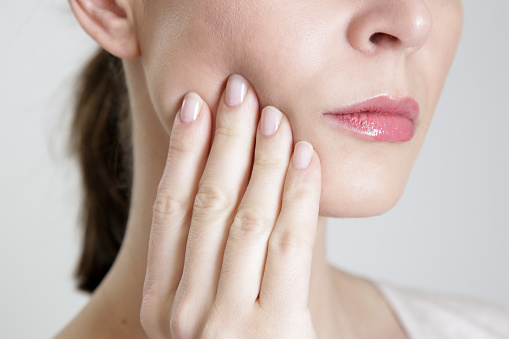
“TMJ” refers to the temporomandibular joint, but jaw pain can come from the joint itself, the chewing muscles, teeth, headaches, nerve conditions or other structures. That is why treatment should begin with diagnosis rather than automatically prescribing a nightguard.
What symptoms can occur with temporomandibular disorders?
Symptoms may include pain in the jaw or temple area, tenderness in the chewing muscles, painful clicking or popping, limited opening, locking, headaches associated with jaw function or a change in the way the bite feels.
Is clicking always a problem?
No. Joint noises are common and a painless click without limitation or other symptoms does not always require treatment. Pain, locking, restricted movement or progressive changes are more important reasons for evaluation.
What does an evaluation include?
Dr. Sharma may review when symptoms occur, examine jaw range of motion, palpate the muscles and joints, evaluate the teeth and bite and look for signs of clenching, grinding or dental disease. Imaging is ordered selectively when it is expected to change the diagnosis or treatment.
How are TMJ problems treated?
Many temporomandibular disorders are initially managed conservatively. Depending on the diagnosis, treatment may include temporary diet modification, avoiding habits that overload the jaw, physical therapy, medication directed by an appropriate clinician or a properly designed oral appliance. Irreversible bite changes should not be the default first treatment for nonspecific jaw pain.
What about nightguards?
A nightguard can protect teeth from grinding and may help some patients with muscle-related symptoms, but it does not cure every cause of TMJ pain. Appliance design matters and should be based on the diagnosis.
TMJ evaluation in Palo Alto
Dr. Sharma can evaluate whether symptoms appear dental, muscular or joint-related and coordinate care with a physician, physical therapist, oral surgeon or other specialist when appropriate.
Request an appointment for persistent jaw pain or bite-related concerns.
