Sleep Apnea Treatment
Learn the dentist's role in sleep apnea care and when a custom oral appliance may be considered in coordination with a sleep physician.
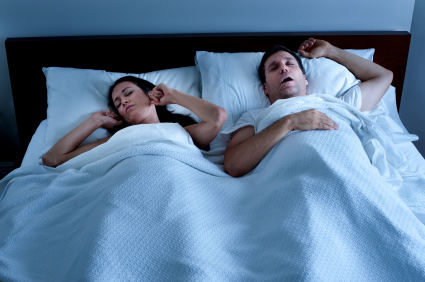
Obstructive sleep apnea is a medical sleep disorder in which breathing repeatedly becomes restricted or stops during sleep. Dentists can play an important role in screening for risk factors and, for selected adults with a medical diagnosis, providing oral appliance therapy in coordination with a sleep physician.
Who diagnoses sleep apnea?
A physician or qualified sleep-medicine provider makes the diagnosis, often using a sleep study. Snoring alone does not establish whether obstructive sleep apnea is present, and treating snoring without considering sleep apnea can miss an important medical condition.
What is oral appliance therapy?
A custom, titratable mandibular advancement appliance is worn during sleep to hold the lower jaw in a position that helps maintain the airway. Current sleep-medicine guidance supports oral appliance therapy for selected adults with obstructive sleep apnea, including patients who cannot tolerate CPAP or who prefer an alternative when medically appropriate.
Why does dental evaluation matter?
An oral appliance places forces on the teeth and jaw. Before treatment, the teeth, gums, bite and jaw joints need to be assessed. Existing dental disease, limited tooth support or certain jaw conditions may affect whether an appliance is appropriate.
What follow-up is needed?
Oral appliances require ongoing adjustment and monitoring for side effects such as tooth movement, bite changes, jaw discomfort or appliance wear. Follow-up with the sleep physician and objective sleep testing may be needed to confirm that treatment is controlling the sleep apnea.
What about over-the-counter snoring devices?
Non-custom devices do not provide the same individualized fit, adjustment or follow-up as professionally managed therapy. If you have loud snoring, witnessed pauses in breathing, excessive daytime sleepiness or other possible sleep apnea symptoms, medical evaluation is the appropriate first step.
Sleep apnea dental care in Palo Alto
Dr. Sharma can assess the dental side of treatment and coordinate with your physician when oral appliance therapy is being considered.
Request an appointment to discuss dental considerations related to sleep apnea.
Guidance
American Academy of Dental Sleep Medicine: Current Standards and Guidelines
