Dental Bridge
Learn how a dental bridge replaces missing teeth, how conventional bridges compare with implants and what affects long-term maintenance.
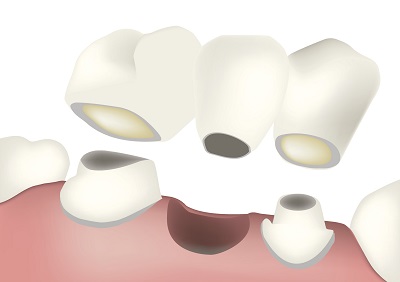
A dental bridge is a fixed restoration used to replace one or more missing teeth. A conventional bridge uses teeth on either side of the space as supports for a connected replacement tooth or teeth.
When can a bridge make sense?
A bridge may be a good option when the neighboring teeth already need crowns or when an implant is not desirable or appropriate. It can also provide a fixed replacement without the surgical phase required for an implant.
What is the tradeoff?
A conventional bridge usually requires reshaping the supporting teeth. If those teeth are otherwise healthy, a dental implant may preserve more natural tooth structure. On the other hand, an implant requires adequate bone, healing time and a surgical procedure. Neither option is automatically better.
What is an implant-supported bridge?
When several teeth are missing, implants can sometimes support a bridge without involving natural teeth. The number and position of implants are determined by bone anatomy, the length of the span and the forces expected on the restoration.
How do you clean under a bridge?
The connected replacement tooth cannot be flossed in the same way as an individual natural tooth. Floss threaders, interdental brushes or water flossers may be recommended to clean beneath the bridge and around the supporting teeth.
How long does a bridge last?
Longevity varies. The supporting teeth can still develop decay or gum disease, and the bridge can chip or wear. Daily cleaning and professional examinations help identify problems while they are smaller.
Dental bridges in Palo Alto
Dr. Sharma can compare a bridge with an implant, removable option or leaving the space untreated when appropriate and explain the long-term implications of each choice.
Request an appointment to discuss a missing tooth.
