A tooth that hurts when you bite down can be a sign of tooth decay, a loose filling, a cracked tooth or damage to the nerve inside the tooth, according to the American Association of Endodontists. A tooth abscess can also make biting painful. Each of these needs a dentist to find the cause, so an exam is the right next step.
Pain on biting can be sharp. It may also come and go, which makes it easy to put off. Paying attention to when the pain happens and what it feels like will help your dentist narrow down the cause quickly.
What causes tooth pain when biting down?
Common causes include:
- Tooth decay. NIDCR explains that early decay usually has no symptoms. As it advances, it can cause tooth pain and sensitivity to sweets, hot or cold.
- A loose filling. The AAE lists a loose filling as one cause of sharp pain when biting down on food.
- A cracked tooth. Cracks can cause erratic pain when chewing, sometimes when you release the bite.
- An inflamed or infected nerve. The AAE notes that biting pain can also mean the pulp tissue inside the tooth is damaged.
- A tooth abscess. MedlinePlus lists pain when chewing as a symptom of an abscess and notes that biting or closing the mouth tightly increases the pain.
- Grinding or clenching. MedlinePlus notes that a toothache can be caused by grinding the teeth.
- Sinus problems. The ADA and MedlinePlus both list sinus problems among the causes of tooth and jaw pain, so not every pain that feels like a toothache starts in a tooth.
What does it mean if it hurts when I release my bite?
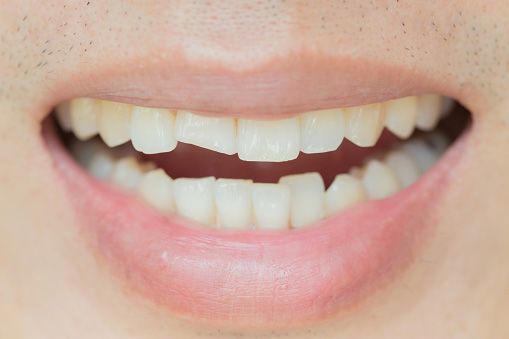
Pain that appears as you let go of a bite can be a sign of a cracked tooth. The AAE lists erratic pain when chewing, possibly with the release of biting pressure, among the symptoms of a crack and explains that chewing can move the pieces of a cracked tooth and irritate the pulp inside. The pain may come and go. The AAE notes that a dentist may have difficulty locating which tooth is causing it. Over time a cracked tooth may also become sensitive to hot and cold or begin to hurt on its own.
Our guide to cracked teeth symptoms and types explains the different kinds of cracks and how each is treated.
Why does my tooth hurt when I bite down but there is no cavity?
A tooth can hurt without a visible cavity. A crack may be too fine to see, a filling may have loosened or the nerve inside may be inflamed. Grinding and sinus problems can also cause pain that feels like it comes from a tooth. MedlinePlus adds that pain felt in a tooth can sometimes come from another part of the body, so tell your dentist about any other symptoms you have.
For jaw and facial pain, the ADA notes that your dentist will do a thorough exam, which may include X rays, to find the cause.
Is pain when biting a dental emergency?
It depends on what comes with it. MedlinePlus advises seeking care if you have a severe toothache, a toothache that lasts longer than a day or two, or a fever, earache or pain when opening your mouth wide. Call promptly if you notice:
- Throbbing pain that does not go away
- Swelling of the gum or face
- A pimple or bubble on the gum near the tooth
- Fever or a bitter taste in the mouth
MedlinePlus explains that untreated abscesses may get worse and can lead to life threatening complications. A swollen area of the jaw is a very serious symptom. Our Where does it hurt? symptom guide can help you sort out how urgent your situation is.
How is tooth pain when biting treated?
Treatment depends on the cause:
- A cracked tooth is treated based on where the crack is and how far it goes. The AAE explains that if the crack reaches the pulp, the tooth can often be treated with a root canal and a crown.
- An inflamed or infected nerve is often treated with root canal treatment to save the tooth.
- Grinding may be managed with a special appliance to protect the teeth from wear, as MedlinePlus describes.
The AAE stresses that early diagnosis is important to save a cracked tooth. A crack that extends below the gum line may mean the tooth cannot be saved, which is why it helps not to wait.
What can I do until my appointment?
- Avoid chewing ice or other hard objects, which the AAE warns can crack teeth.
- MedlinePlus notes you can use over the counter pain medicine if you cannot see your dentist right away. Follow the label directions.
Home care can keep you more comfortable. It will not fix a crack, decay or an infection.
When to see a dentist
Any tooth that hurts when you bite down should be checked, even if the pain comes and goes. Our office at 2875 Middlefield Road in Midtown Palo Alto offers same day emergency visits Monday through Thursday and Friday mornings.
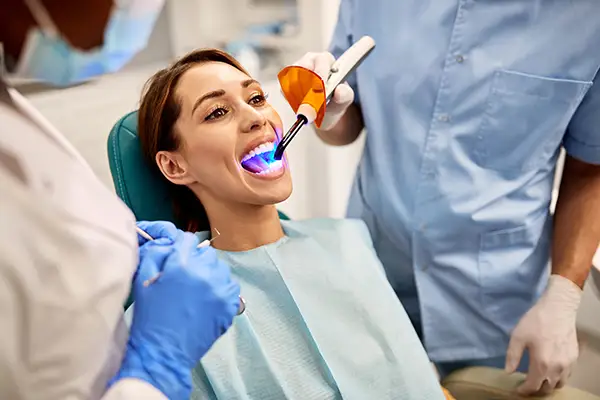
At your visit, Dr. Sharma will ask when the pain happens, examine the tooth, take any images that are needed and explain the likely cause and your options before any treatment begins.
Common questions
Can tooth pain when biting go away on its own?
The pain may fade for a while, yet the cause usually remains. MedlinePlus notes that the pain of an abscess may stop while the infection stays active and continues to spread. A crack or decay will not repair itself, so an exam is still worthwhile.
Why does my tooth hurt when I bite down after a root canal?
Some tenderness is expected. The AAE explains that sensitivity, especially when biting, is typically part of normal healing and that symptoms improve within three to five days in most cases. Severe, worsening or lasting pain or swelling should be checked.
Can grinding my teeth make them hurt when I chew?
Yes. MedlinePlus notes that grinding can cause a toothache. The ADA lists pain when biting among the symptoms of jaw problems. The AAE also advises against clenching or grinding to help prevent cracked teeth.
Have a tooth that hurts when you bite? Request an appointment or call us at (650) 321-9693.
Sources
Tooth Pain, American Association of Endodontists
Cracked Teeth, American Association of Endodontists
Root Canal Pain: What to Expect, American Association of Endodontists
Tooth Abscess, MedlinePlus (U.S. National Library of Medicine)
Toothaches, MedlinePlus (U.S. National Library of Medicine)
Tooth Decay, National Institute of Dental and Craniofacial Research
Jaw Pain, MouthHealthy (American Dental Association)
This article provides general education and does not replace an individual dental examination or diagnosis.