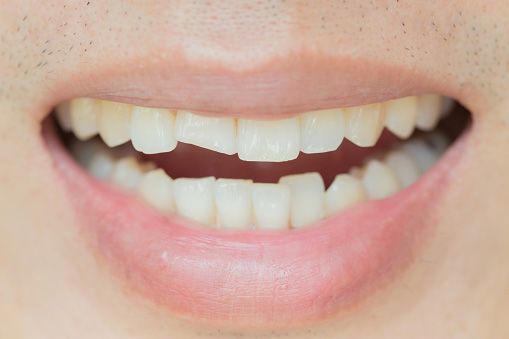

A tooth extraction site heals in stages. A blood clot forms in the socket right away and new healing tissue replaces it over the first week or so. The gum over the socket usually heals in 1 to 2 weeks. The bone underneath keeps filling in and reshaping for several months.
Knowing what is normal at each stage makes recovery calmer and helps you spot the few signs that mean you should call your dentist. The timeline below is general. Your own healing depends on the tooth that was removed, how the extraction went and your overall health, so always follow the instructions your dentist gives you.
What are the stages of tooth extraction healing?
Researchers describe socket healing as three overlapping phases: an inflammatory phase, a proliferative phase and a modeling and remodeling phase. In everyday terms, it looks like this:
- First 24 hours: the socket fills with blood and a clot forms. The clot protects the bone underneath as it heals.
- First week: the clot is gradually replaced by granulation tissue, the soft new tissue that forms in a healing wound.
- 1 to 2 weeks: the socket heals over at the gum level. Bone and deeper tissue take longer.
- 6 to 8 weeks: almost all of the healing tissue inside the socket has been replaced by early new bone.
- Several months and beyond: the new bone matures and reshapes. Much of this happens in the first 6 months. Remodeling can continue for more than a year.
What happens in the first 24 hours after an extraction?
Your dentist will have you bite on gauze to stop the bleeding, which also helps a blood clot form. Your lips and cheek may stay numb for a few hours. As the numbing wears off you may begin to feel some soreness.
The clot is the foundation for everything that follows, so the first day is about protecting it:
- Do not drink through a straw for at least 24 hours.
- Do not smoke or use tobacco, which slows healing.
- Avoid rinsing or spitting hard.
- Chew on the other side of your mouth and keep to soft foods.
- Take it easy and avoid strenuous activity for the first couple of days.
A cold compress on your cheek for 10 to 20 minutes at a time can help with swelling and soreness. Do not place ice directly on the skin.
What is normal in days 2 to 7?
Some bruising and swelling around the area is a known part of recovery. Underneath, the clot is slowly being replaced by granulation tissue as the socket begins to rebuild. If you are not sure whether what you see in the socket is normal, a quick call to your dentist is the simplest way to find out.
Daily care during this stage usually includes:
- Brushing and flossing your other teeth gently from the day after the extraction, while staying away from the socket for at least 3 days.
- Keeping your tongue away from the socket.
- Rinsing gently. You can typically begin rinsing and spitting about 3 days after the extraction. Your dentist may also suggest a salt water rinse.
- Avoiding hard and crunchy foods for about a week and eating soft foods such as yogurt, mashed potatoes, soup and bananas.
If you had stitches, they may loosen. That is normal. Dissolving stitches come out on their own.
How do you know if it is healing normally or if it is dry socket?
Normal healing gets a little better each day. Dry socket happens when the blood clot is lost or does not form well, leaving the bone exposed. It causes pain and delays healing. Signs include:
- Severe pain 1 to 3 days after the tooth is removed
- Pain that spreads from the socket toward the ear, eye, temple or neck on the same side
- A socket that looks empty, with the clot missing
- A bad taste or bad breath
- A slight fever
Dry socket is treatable. Your dentist can gently rinse the area and help with comfort. You can read more in our article on dry socket symptoms and prevention.
What happens to the bone after the gum heals?
Once the gum has closed, healing continues beneath it. New bone fills the socket and then matures over the following months. During this time the ridge of bone where the tooth was also gets smaller. Studies have found that it can lose up to half of its original width.
This matters if you plan to replace the tooth. Some sites are ready for an implant after healing, while others benefit from bone grafting first. If replacing the tooth is part of your plan, ask about timing before or soon after the extraction so you can choose the approach that fits your situation, such as a single tooth implant.
When to see a dentist
Call your dentist promptly if you notice any of the following:
- Fever or chills
- Severe swelling or pus from the extraction site
- Bleeding that is still heavy several hours after the extraction
- Pain that keeps getting worse or does not respond to pain relievers
- A worse taste or smell in your mouth
- Trouble swallowing
Not sure how urgent your symptoms are? Our "Where does it hurt?" symptom guide can help you decide what to do next.
Extraction care at our Palo Alto office
Our Midtown Palo Alto practice has cared for families since 1958. Tooth extractions and bone grafting are done here in our office. After your extraction we review aftercare with you so you know what to expect at each stage. We offer same day emergency visits Monday through Thursday and Friday mornings for patients in Palo Alto, Menlo Park and nearby communities.
Common questions
How long does it take for a tooth extraction to heal?
The gum over the socket usually heals in 1 to 2 weeks. The bone underneath takes longer, filling in over the next couple of months and continuing to mature and reshape for several months after that.
Is it normal for pain to get worse a few days after an extraction?
Soreness should gradually ease. Severe pain that starts or gets worse 1 to 3 days after the extraction can be a sign of dry socket, so call your dentist so the area can be checked.
When can I rinse with salt water after a tooth extraction?
Avoid rinsing and spitting at first so the clot is not disturbed. You can typically begin rinsing gently about 3 days after the extraction unless your dentist advises otherwise.
If you have a tooth that needs attention or questions about your healing, request an appointment or call us at (650) 321-9693.
Sources
MouthHealthy (American Dental Association): Extractions
Alveolar socket healing: what can we learn? Periodontology 2000. 2015
This article provides general education and does not replace an individual dental examination or diagnosis.