
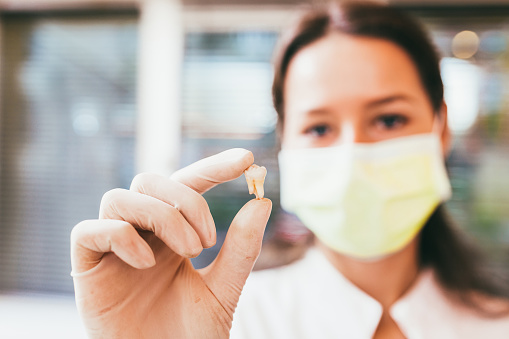
Having a tooth removed is a common procedure, and most extraction sites heal without trouble. Sometimes, though, pain that seemed to be fading comes back stronger a few days later. One possible reason is dry socket, a painful but treatable problem that can follow an extraction, especially the surgical removal of wisdom teeth.
This guide explains what dry socket is, the symptoms to watch for, what the evidence says about preventing it and when to call your dentist.
What is dry socket?
After a tooth is pulled, a blood clot forms in the empty socket. MouthHealthy, the American Dental Association's (ADA) patient site, explains that your mouth slowly fills in the bone where the tooth root was through the formation of that clot.
Dry socket happens when the blood clot over the socket is displaced, leaving bone and nerves exposed. The medical term is alveolar osteitis. A 2022 Cochrane systematic review describes it as thought to be linked to the loss of some or all of the blood clot that forms at the bottom of a tooth socket.
What are the symptoms of dry socket?
The main sign is pain. The Cochrane review describes dry socket as associated with severe pain developing 2 to 3 days after the extraction, with or without bad breath. Things you may notice include:
- Pain that gets worse a few days after the extraction instead of steadily improving
- An empty-looking socket, where the clot appears to be missing
- Bad breath or an unpleasant taste from the area
Some soreness after an extraction is normal, so these signs do not automatically mean you have dry socket. Only an exam can tell what is causing your discomfort.
How common is dry socket?
According to the Cochrane review, dry socket occurs in about 1% to 5% of routine dental extractions. The rate can be higher, upwards of 30%, after surgical removal of third molars (wisdom teeth). This is one reason your dentist may give you more detailed aftercare instructions after a wisdom tooth extraction.
Who is more likely to get dry socket?
A few factors are linked to a higher risk:
- Poor oral hygiene. The Cochrane review notes that people with poor oral hygiene, meaning food debris and plaque, are at greater risk of dry socket.
- Smoking. A 2022 systematic review in Dentistry Journal concluded that cigarette smoking was related to an increased risk of dry socket after tooth extraction. MouthHealthy also notes that smoking and other tobacco use can delay healing.
- Surgical extractions. As noted above, surgically removed wisdom teeth carry a higher reported rate than routine extractions.
If any of these apply to you, it is worth mentioning to your dentist before your procedure so you can plan your care together.
How can you help prevent dry socket?
The goal of aftercare is to protect the blood clot while the socket heals. MouthHealthy recommends avoiding anything that could prevent normal healing, including these steps:
- Do not smoke. MouthHealthy advises against smoking after an extraction.
- Skip the straw. Avoid drinking through a straw for 24 hours.
- Rinse gently. Do not rinse vigorously. For the first few days, if you must rinse, rinse your mouth gently.
- Keep the rest of your mouth clean. Brush and floss your other teeth as usual, but avoid cleaning the teeth right next to the extraction site.
- Follow your dentist's instructions. Eat the diet your dentist suggests and ask about pain medication rather than guessing.
Your dentist may also suggest a mouthrinse as part of your care. The Cochrane review found that rinsing with chlorhexidine mouthwash before an extraction or beginning 24 hours after may help prevent dry socket, and that chlorhexidine gel placed in the socket probably reduces it as well. Use these products only as directed by your dentist.
These steps can help lower your risk, but dry socket can still happen even when you do everything right. It is not a sign that you did something wrong.
How is dry socket treated?
The good news is that dry socket is treatable. MouthHealthy explains that treatment may include:
- Cleaning the extraction site and placing a medicated dressing in the socket
- Changing the dressing daily until the pain diminishes and the socket begins to heal
- A nonsteroidal anti-inflammatory drug, such as aspirin or ibuprofen, taken as your dentist directs
- Avoiding cigarettes and other tobacco while you heal
The Cochrane review notes that treatment largely focuses on reducing pain around the extraction site. Your dentist will decide what is appropriate for you after examining the area.
When should you call your dentist after an extraction?
MouthHealthy advises notifying your dentist if you think you have dry socket. Contact your dental office if you notice:
- Pain that gets worse after the first few days instead of better
- Pain that feels severe or is not easing with the care your dentist recommended
- A socket that looks empty, or visible bone
- Bad breath or a bad taste that does not go away
- Swelling, which MouthHealthy says to address with a cold cloth or ice bag while calling your dentist right away
Any pain, swelling or other symptom that is persistent or getting worse is worth having examined rather than waiting it out.
Extraction care in Palo Alto
Careful planning before an extraction and clear instructions afterward can make recovery smoother. At Palo Alto Oral Health, we can review your health history, talk through your aftercare and see you if something does not feel right while you heal. You can learn more about wisdom tooth extraction or book an appointment with our team.
Sources
American Dental Association, MouthHealthy: Dry Socket
American Dental Association, MouthHealthy: Extractions
This article provides general education and does not replace an individual dental examination or diagnosis.