If you have a filling or two, you may have wondered whether it will last for the rest of your life. It is a common question, especially when a filling starts to feel different or a dentist mentions that one is wearing down.
The short answer is that fillings are durable. None of them last forever. This guide explains what research says about how long fillings tend to last, why they eventually need attention and what you can do to help yours stay in good shape.
How long do fillings usually last?
There is no single expiration date for a filling. Many fillings last for years. How long one lasts depends on the material, the size and location of the filling, how much chewing force it takes and your own risk of new decay. MouthHealthy, the patient website of the American Dental Association (ADA), puts it simply: no dental filling lasts forever.
Research gives a helpful picture for tooth colored fillings in back teeth. A 2014 systematic review and meta analysis in the Journal of Dental Research pooled 12 long term studies of back tooth composite fillings, each followed for at least five years. Of the 2,816 fillings studied, 569 had failed by the end of follow up. In other words, most fillings in those studies were still in service after many years.
Does the filling material make a difference?
Each material has its own strengths. According to the ADA:
- Composite resin (tooth colored) fillings provide good durability and resistance to fracture in small to mid size fillings, according to the ADA. The ADA also notes that some studies show composite fillings can be less durable and may need to be replaced more often than amalgam fillings.
- Dental amalgam (silver colored) fillings are made from a combination of metals. The ADA describes amalgam as very durable.
- Gold fillings, also called inlays or onlays, are usually considered the most durable option. The ADA says they can last 20 years or more. Our guide to inlays and onlays explains how they differ.
It is worth keeping this in perspective. The ADA's review of direct filling materials notes that there is limited evidence of a significant difference in longevity among restorative materials. It also reports that patient habits are the most significant factor in how long composite fillings last. Your dentist will recommend a material based on the size and location of the cavity and your individual needs.
Why do fillings fail or need replacing?
A filling usually needs attention for one of two main reasons. In the 2014 review, the main reasons for failure were new decay and fracture. The ADA notes that more recent studies have found fracture to be the most common reason for composite failure and that decay around the edges of a filling, often called secondary decay, remains a major cause of failure in back teeth.
The same review found that some fillings were at higher risk than others:
- Fillings in people with a high risk of cavities failed more often.
- Fillings that covered more surfaces of the tooth failed more often.
This is one reason why preventing new cavities matters just as much after a filling as before it.
What signs mean a filling should be checked?
Many problems with fillings cause no symptoms at first, which is why routine exams are useful. Still, it is a good idea to contact your dentist if you notice any of the following:
- Sensitivity or pain when biting, or with hot, cold or sweet foods
- A rough or sharp edge you can feel with your tongue
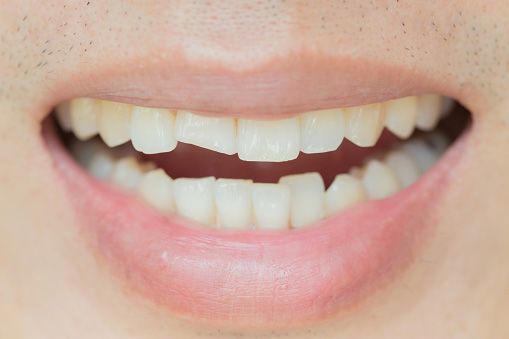
- A visible crack, chip or gap around the filling
- Food catching in the same spot again and again
- A filling that feels loose or has come out
These signs do not always mean a filling has failed. They are still worth having looked at. Anything that is persistent or getting worse should be examined rather than waiting for your next routine visit. If a tooth is painful, our "Where does it hurt?" symptom guide can help you decide how soon to be seen.
How can you help your fillings last longer?
Because new decay is a leading reason fillings need replacing, the same habits that prevent cavities also protect your existing fillings. The ADA recommends:
- Brushing twice a day with fluoride toothpaste
- Cleaning between your teeth daily
- Eating a healthy diet that limits sugary drinks and snacks
- Seeing your dentist regularly
Regular checkups give your dentist a chance to spot small problems around a filling early, when a repair may be simpler. If you grind or clench your teeth, mention it at your visit, since heavy forces can add stress to fillings and teeth.
Should old silver fillings be replaced?
Not necessarily. According to the ADA, existing amalgam fillings are safe and do not need to be removed as long as they are in good condition. The ADA also notes that the U.S. Food and Drug Administration recommends that certain high risk groups avoid this material if possible and appropriate. If you have questions about an older filling, your dentist can check its condition and talk through your options.
Having your fillings checked in Palo Alto
A filling that is intact and comfortable can serve you well for many years. Regular exams help catch wear, cracks or new decay before they turn into bigger problems. At Palo Alto Oral Health, we can check your existing fillings and explain whether anything needs attention. You can learn more about our tooth colored fillings, call (650) 321-9693 or request an appointment.
Common questions
Can a filling last a lifetime?
Some fillings last for many years. No filling lasts forever. How long yours lasts depends on the material, the size of the filling, your bite and your risk of new decay.
Do tooth colored fillings last as long as silver fillings?
The ADA notes that some studies show composite fillings may need to be replaced more often than amalgam. It also notes there is limited evidence of a significant difference in longevity among materials. Patient habits also play a large role.
Should I replace an old filling that does not hurt?
Not necessarily. The ADA says existing amalgam fillings in good condition do not need to be removed. Your dentist can check older fillings at a routine exam and let you know if anything needs attention.
Sources
American Dental Association, MouthHealthy: Dental Filling Options
American Dental Association, MouthHealthy: Composite Fillings
American Dental Association, MouthHealthy: Dental Amalgam
American Dental Association, MouthHealthy: Fillings (Gold Inlays)
American Dental Association: Home Oral Care
American Dental Association: Materials for Direct Restorations
This article provides general education and does not replace an individual dental examination or diagnosis.