A mouthguard is easy to overlook until a chipped or knocked-out tooth interrupts a game. For athletes and parents, the practical question is not simply whether a custom guard costs more than one from a sporting goods store. It is whether the guard fits well enough to stay in place and actually gets worn.
The American Dental Association recommends a properly fitted mouthguard for activities with meaningful risk of dental injury. That includes familiar contact sports such as football, basketball, lacrosse and hockey as well as activities where a fall or fast-moving object can strike the face.
What are the three main types of sports mouthguards?
Stock mouthguards come ready-made in a few sizes. They are inexpensive but cannot be shaped precisely to the teeth. Because they may need to be held in place by biting down, they are often the least comfortable and least retentive option.
Boil-and-bite mouthguards are softened and shaped to the wearer's teeth according to the manufacturer's instructions. A carefully fitted version can be a reasonable choice, particularly when a custom guard is not available. A poor fit can make it bulky or easy to dislodge.
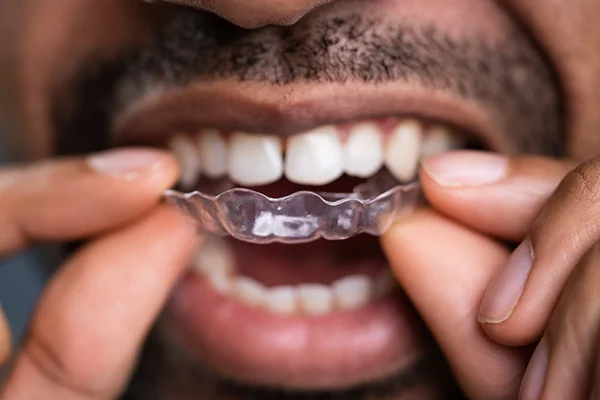
Custom-fitted mouthguards are made from a dental impression or scan. Their shape and coverage can be adapted to the individual athlete. The main advantages are typically fit, retention and comfort. They require a dental visit and generally cost more.
Does custom always mean better protection?
Not automatically. Research supports wearing a mouthguard to reduce dental injury risk, but comparisons among guard types are more complicated. The ADA notes that other types can also be effective when properly made and consistently worn. A custom guard left in a gym bag protects nothing.
When comparing options, pay attention to whether the guard stays in place, covers the teeth appropriately and allows the athlete to breathe and communicate comfortably. Those practical features influence whether it will be used during every practice and game.
How can you tell if a mouthguard fits?
A useful guard should stay seated without constant clenching or repositioning. It should not have sharp edges or rub the gums and cheeks. It should feel secure during normal athletic movement without making breathing unusually difficult. If the guard is loose, painful or repeatedly falls out, ask a dentist to evaluate the fit.
Which sports call for a mouthguard?
Football, hockey, lacrosse, basketball, martial arts and soccer are common examples. Dental injuries also happen during cycling, skateboarding, gymnastics and other activities involving falls or impact. A mouthguard is worth considering whenever the risk of a blow to the mouth is meaningful, even if a league does not require one.
What about braces, growing children or new dental work?
Orthodontic appliances and changing teeth can affect fit. Children and teenagers may outgrow a guard as their teeth and jaws develop. A new crown, orthodontic adjustment or other change to the bite may also make an older guard less suitable. Have the fit reassessed when the mouth changes rather than forcing an appliance that no longer seats properly.
How should a sports mouthguard be cared for?
Rinse the guard after use, clean it according to its manufacturer's instructions and allow it to dry before storing it in a ventilated protective case. Avoid leaving it in a hot car or exposing it to excessive heat, which can distort some materials. Replace a guard that has become torn, distorted or loose.
Will a mouthguard prevent a concussion?
A mouthguard's clearest established benefit is reducing dental and oral injury. Research on whether mouthguards prevent concussions is less consistent. Athletes should not treat a mouthguard as a substitute for appropriate helmets, sport-specific safety equipment or concussion protocols.
Choosing a guard for the season
The best starting point is the sport, the athlete's teeth and the likelihood that the guard will be worn consistently. If you are unsure whether an off-the-shelf guard fits well or whether a custom option makes sense, a dental evaluation can help. Learn more about sports dentistry and dental injury prevention or request an appointment at Palo Alto Oral Health.
Sources
American Dental Association. Athletic Mouth Protectors (Mouthguards).
California Dental Association. Recommendations for Sports Mouthguards.
This article provides general education. A dentist can help evaluate the fit and suitability of a particular mouthguard.