

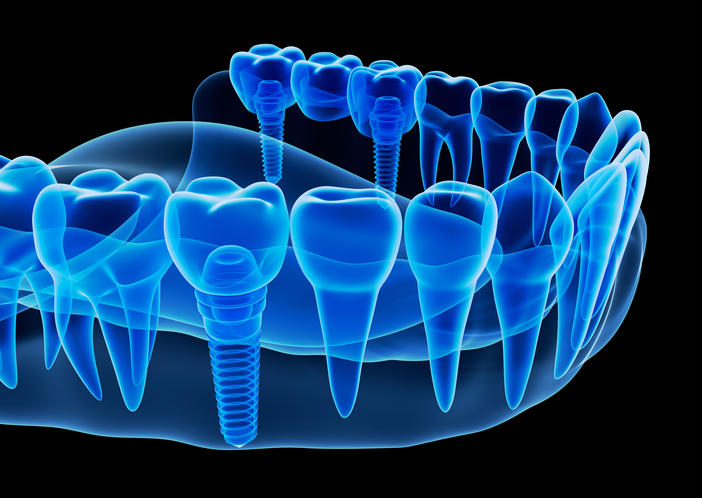
Not everyone needs a bone graft after a tooth extraction. A graft placed in the empty socket, often called socket preservation, helps limit the bone shrinkage that normally follows an extraction. It is most often recommended when you plan to replace the tooth with a dental implant later and want to keep as much bone as possible.
After a tooth is removed, the ridge of bone that held it naturally narrows and flattens as it heals. Whether a graft makes sense for you depends on which tooth is being removed, the condition of the bone around it and how you plan to fill the space. Your dentist can talk through these points with you before the extraction.
What happens to the jaw bone after a tooth extraction?
The bone that surrounds a tooth root is there to support that tooth. Once the tooth is gone, the body begins to reshape that bone. A Cochrane review summarizing earlier research describes a mean reduction of 3.8 mm in width and 1.24 mm in height in the first six months after extraction, with most changes occurring in the first three months.
That loss matters most when you want an implant. An implant needs enough bone of the right width and height around it, so a ridge that has shrunk may need extra grafting before or during implant placement.
What is socket preservation and how does it work?
Socket preservation, also called alveolar ridge preservation, means filling the extraction socket with bone graft material right after the tooth is removed. The material acts as a scaffold that helps hold the shape of the ridge while your own bone heals.
A 2019 systematic review and meta analysis of 22 randomized trials concluded that ridge preservation is an effective therapy to reduce the shrinkage that normally takes place after extraction. After 3 to 6 months of healing, grafted sockets kept about 2 mm more width on average than sockets left to heal on their own. Common graft materials include:
- Allograft: processed bone from a human donor.
- Xenograft: processed bone from an animal source.
- Alloplast: a synthetic bone substitute.
The graft is often covered with a collagen membrane or sponge to help keep it in place. The same review found the most favorable results with particulate donor or animal bone covered this way.
Do you need a bone graft after a tooth extraction?
The decision depends largely on what you plan to do with the space. Questions your dentist will usually consider include:
- Do you plan to replace the tooth with an implant and if so, how soon?
- Is the tooth in a visible area where the shape of the gum and bone affects your smile?
- How much bone surrounds the tooth now, based on your exam and X rays?
- Is the area free of active infection and how healthy are your gums?
It also helps to know the limits of the evidence. A 2021 Cochrane review found that ridge preservation may reduce changes in ridge height and width six months after extraction. However, the authors rated the evidence as very uncertain. They also found no clear difference in the need for additional grafting when the implant was placed. In other words, a socket graft can help preserve bone. It does not guarantee that no further grafting will be needed later.
How long does a bone graft take to heal before an implant?
Healing time varies from person to person and from site to site. Most of the studies above measured results 3 to 6 months after extraction. In some cases an implant can be placed at the time of extraction, while other sites need healing or grafting first. Once the implant is placed, the American Dental Association notes that it takes time for the bone to fuse with the implant and that some patients may need to wait up to several months for this to happen.
Your general health plays a role too. The ADA notes that chronic illnesses such as diabetes may interfere with healing after surgery and that using tobacco can slow healing.
What to expect at our Palo Alto office
Tooth extractions and bone grafting are both done in house at Palo Alto Oral Health, a family dental practice in Midtown Palo Alto since 1958. Before any extraction, we look at whether the tooth can be saved and, if not, talk through replacement options such as single tooth implants or a bridge. If a graft makes sense for your plan, we explain why and what healing will look like.
If you are wondering about cost, most PPO plans can likely be used here. Our office submits claims for you and gives you an estimate before treatment. You can check whether you can use your insurance here in a few seconds.
When to see a dentist
If a tooth is cracked, badly decayed or painful and you are unsure whether it can be saved, an exam is a sensible next step. After an extraction or graft, call your dentist promptly if pain or swelling gets worse instead of better or if anything about your healing worries you. For a full picture of what normal recovery looks like, see our guide to tooth extraction healing stages.
Common questions
Is a bone graft after extraction painful?
The graft is placed during the same visit as the extraction while the area is numb. Your dentist will give you aftercare instructions and explain what to expect and how to manage any soreness.
Can I get an implant without a bone graft?
Yes, if there is enough healthy bone at the site. Whether you need grafting is decided from your exam and X rays. Socket preservation is one way to help keep bone for a future implant. It is not always required.
What happens if I do not replace the missing tooth?
The ridge will continue to remodel as it heals, which can make an implant more involved later. If you are unsure about replacing a tooth, ask your dentist about your options before the extraction so you can decide with the full picture.
If you have a tooth that may need to come out or questions about replacing it, request an appointment or call us at (650) 321-9693.
Sources
MouthHealthy (American Dental Association): Implants
This article provides general education and does not replace an individual dental examination or diagnosis.


