Inside every tooth is the pulp, living tissue that contains nerves and blood vessels. When the pulp is badly irritated or injured, it can die. One of the more confusing signs is that a tooth that used to ache may suddenly go quiet or feel numb. That relief can be misleading.
What causes a tooth nerve to die?
- Deep decay that reaches the pulp
- A cracked tooth
- Trauma, such as a fall or sports injury, sometimes years earlier
- Large or repeated fillings and other dental work over time
- Advanced gum disease affecting the root
What are the signs a tooth is dying?
- A tooth that used to be sensitive no longer reacts to cold
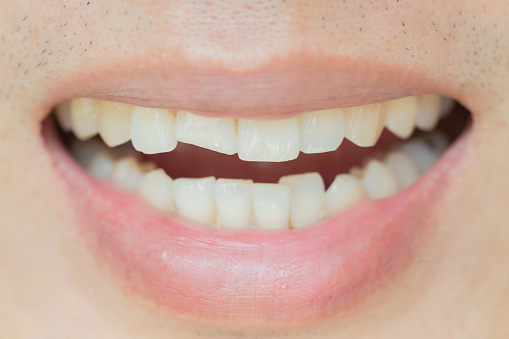
- Darkening of the tooth to gray, brown or yellow, especially after an injury
- Pain or tenderness when biting or tapping on the tooth
- Swelling, a bad taste or a pimple-like bump on the gum, called a dental fistula
- Lingering, throbbing pain that comes and goes
Some dying teeth cause no symptoms at all and are found on an X-ray during a routine exam.
If it stopped hurting, is it fine?
Usually not. When the nerve dies, the pain from inflammation may fade, but the tissue inside the tooth can become infected. That infection can spread into the surrounding bone and form an abscess, sometimes without warning. A toothache with a fever or facial swelling needs urgent care.
What about a tingly tooth or a numb lip?
A tooth that feels tingly, "different" or fuzzy can be an early sign of irritated pulp, a crack or a bite problem and is worth checking. Numbness of the lip, chin or tongue is different from a numb tooth. New numbness in those areas, especially without a recent dental procedure, should be evaluated promptly by a dentist or physician.
Can a dying tooth be saved?
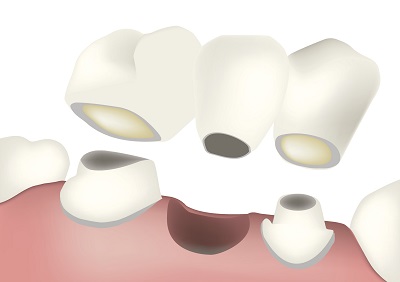
Often, yes. Root canal treatment removes the damaged pulp, disinfects the inside of the tooth and seals it so the natural tooth can stay. Back teeth usually need a crown afterward for strength. A front tooth that has darkened can sometimes be lightened from the inside after a root canal, or covered with a veneer or crown. If the tooth is cracked too deeply or cannot be restored, extraction and replacement may be the better option.
How is a dying tooth diagnosed?
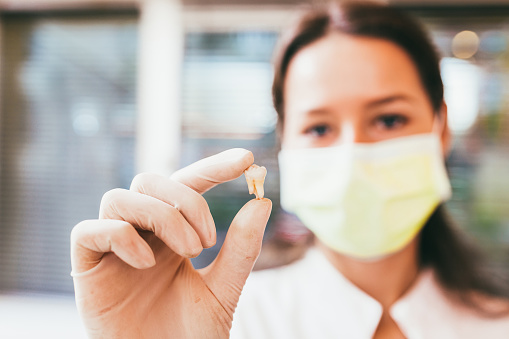
Your dentist will test how the tooth responds to cold and to tapping, compare it with neighboring teeth, check the gums and take X-rays. Cracks can be harder to find and may require magnification or other testing; read about types of cracked teeth.
Evaluation in Palo Alto
If a tooth has changed color, stopped feeling cold or feels off when you bite, Palo Alto Oral Health can examine it and explain your options before a small problem becomes an infection. Call (650) 321-9693 or request an appointment.
Source
American Association of Endodontists: Root Canal Treatment
This article provides general education and does not replace an examination.