If you are missing a tooth, two fixed options that often come up are a dental bridge and a dental implant. Both can fill the gap, but they work in different ways and each has tradeoffs.
This guide explains how each option works, how they compare and what your dentist will look at when helping you decide.
Why replace a missing tooth at all?
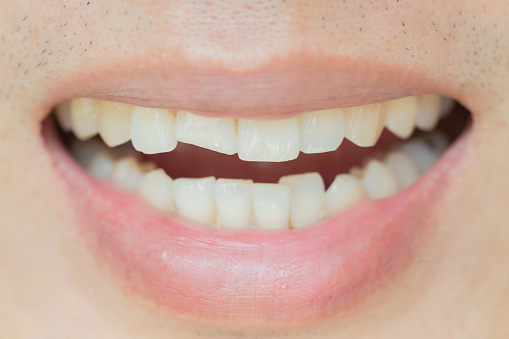
A gap is not only a cosmetic concern. According to the American Dental Association (ADA), a large space between teeth may affect how you speak or eat, and even a missing molar that no one sees can change how you chew. Over time, nearby teeth may shift, and in some cases bone loss can occur around the space where the tooth used to be.
What is a dental bridge?
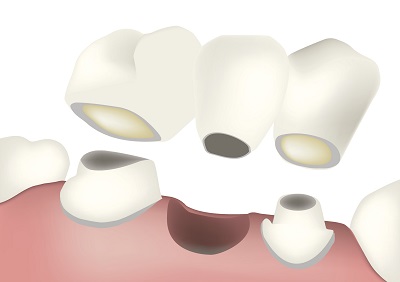
A bridge replaces one or more missing teeth with artificial teeth that literally bridge the gap. The ADA describes a traditional bridge as being attached to the surrounding teeth for support, and crowns are one way a bridge can be attached. Bridges can be made from gold, alloys, porcelain or a combination of materials.
Bridges come in two broad types:
- Fixed bridges stay in place and can only be removed by a dentist.
- Removable bridges can be taken out for cleaning.
Because a traditional bridge relies on the neighboring teeth, the ADA notes that it is very important to keep those remaining teeth healthy and strong. The health of the supporting teeth is a big part of how well a bridge works over time.
What is a dental implant?
A dental implant is an artificial tooth root placed in the jaw. The American Academy of Periodontology (AAP) explains that each implant can hold one or more replacement teeth. When people say "implant," they often mean the whole restoration: the implant in the bone plus the crown or bridge attached to it. The ADA describes implants as the replacement option most similar to a natural tooth.
Because an implant is placed into the jawbone, treatment involves a surgical step and time for healing before the final tooth is attached.
Dental bridge vs implant: how do they compare?
- Neighboring teeth. A traditional bridge is supported by the teeth on either side of the gap. An implant is supported by the jawbone, so it does not need to be anchored to the adjacent teeth.
- Treatment process. A tooth-supported bridge does not require implant surgery. An implant involves placing the artificial root in the bone and allowing it to heal before the replacement tooth is completed.
- Health requirements. According to the AAP, good candidates for implants are in good general and oral health, have adequate bone in the jaw to support the implant and have healthy gums free of periodontal disease. A bridge depends on having healthy, strong teeth next to the gap.
- Replacing several teeth. Both options can replace more than one tooth. Implants can also support a bridge, which the ADA calls an implant bridge.
- Daily care. Both need careful brushing, cleaning around the replacement teeth and regular dental visits.
Neither option is the right answer for everyone. The ADA's guidance is simple: talk with your dentist about which option is best for you.
Which is better for me, a bridge or an implant?
The best choice depends on your mouth and your priorities. Your dentist will usually consider:
- The condition of the teeth next to the gap, including whether they already have large fillings or crowns
- The amount and quality of bone where the tooth is missing
- The health of your gums
- Your general health and any medical conditions
- How many teeth are missing and where they are
- Your timeline and comfort with a surgical procedure
An exam and X-rays help show these details. In some situations, other options such as a removable partial denture, or orthodontic treatment to close or manage a space, may also be worth discussing. For example, our article on missing lateral incisors covers how a missing front tooth may be treated.
How do you care for a bridge or an implant?
The AAP notes that, just like natural teeth, implants need conscientious at-home care and regular dental visits. Without good care, the tissues around an implant can develop peri-implant disease. With a bridge, keeping the supporting teeth and gums healthy is essential, and your dental team can show you how to clean around and under the replacement tooth.
For either option:
- Brush twice a day and clean between teeth daily.
- Keep up with regular checkups and professional cleanings.
- Let your dentist know about any looseness, bleeding gums, pain or a change in your bite.
Replacing a missing tooth in Palo Alto
Every gap is a little different. At Palo Alto Oral Health, we can examine the area, review X-rays and walk you through the options that fit your situation. You can read more about our dental bridge treatment, call (650) 321-9693 or request an appointment.
Sources
American Dental Association, MouthHealthy: Missing Teeth
American Dental Association, MouthHealthy: Bridges
American Dental Association, MouthHealthy: Crowns
American Academy of Periodontology: Dental Implant Procedures
This article provides general education and does not replace an individual dental examination or diagnosis.