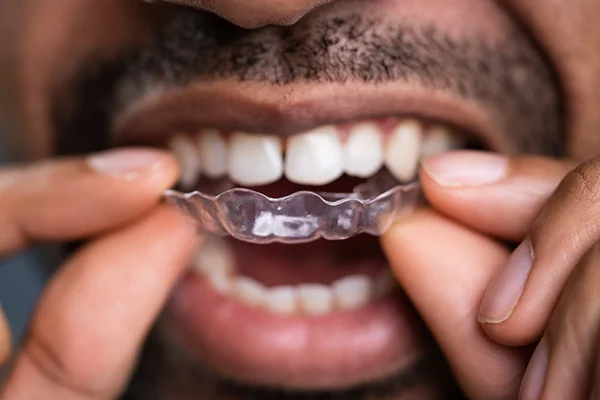
Clear aligners are everywhere now, from dental offices to online ads promising straighter teeth without traditional braces. In September 2026, the U.S. Food and Drug Administration published updated consumer guidance that draws an important distinction: clear aligners are prescription medical devices and the FDA has not authorized aligners sold directly to consumers without a prescription and professional supervision.
What the FDA actually said
The FDA says clear aligners should be used under the supervision of a licensed dentist or orthodontist. The agency specifically warns that unauthorized direct-to-consumer aligners sold without professional supervision may increase the risk of complications.
According to the FDA, reported problems involving unauthorized direct-to-consumer aligners have included new or worsening dental pain, jaw pain, bite problems, worsening tooth misalignment and new gaps between teeth.
Does this mean clear aligners are unsafe?
No. The warning is not a warning against clear aligners as a category. Clear aligners can be an effective option for many patients when the treatment is properly diagnosed, prescribed and monitored. The concern is moving teeth without adequate professional evaluation or follow-up.
Clear aligners are commonly used for mild to moderate crowding, spacing and some bite problems. More complex orthodontic conditions may require a different approach.
Why an in-person dental evaluation matters
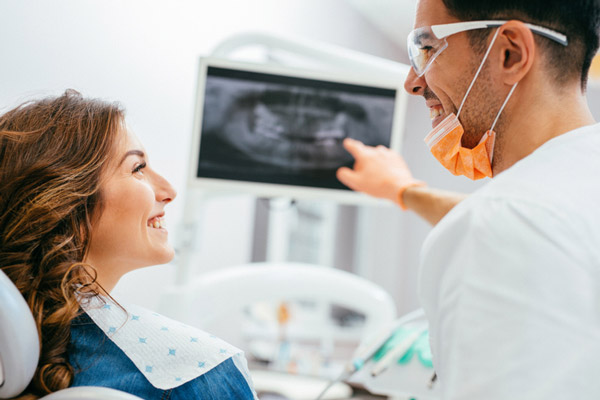
Moving teeth changes more than how a smile looks. Before treatment begins, a dentist or orthodontist needs to understand the health of the teeth, gums, supporting bone and bite. An evaluation may include a clinical examination, review of dental history, digital scans and X-rays when appropriate.
This matters because untreated cavities, gum disease, bone loss, existing dental work or certain bite relationships can change whether clear aligners are appropriate and how treatment should be planned.
What about tele-dentistry and remote monitoring?
The FDA notes that virtual visits can be a useful part of dental care. Remote monitoring is not the issue by itself. The agency recommends periodic in-person visits because they can help identify unintended tooth movement, bite changes, pain and other problems before they become more significant.
If you are already using mail-order aligners
If you develop new or worsening tooth pain, jaw pain, bite changes, unexpected gaps or tooth mobility, contact a dentist or orthodontist for an evaluation. Do not simply continue advancing through trays while ignoring a new symptom.
The FDA also advises patients to understand the difference between a company being FDA registered and a specific device being FDA authorized. Registration of a manufacturer is not the same as FDA review and authorization of a particular aligner system.
Considering clear aligners in Palo Alto?
The most important first step is not choosing a brand. It is determining whether moving your teeth is appropriate for your mouth and your bite. A professionally supervised plan can then be designed around your specific anatomy and goals.
You can learn more about clear aligners at Palo Alto Oral Health or request an appointment to discuss your options.
Sources
U.S. Food and Drug Administration: Clear Dental Aligners
American Dental Association: FDA warns public about unauthorized direct-to-consumer clear aligners
This article is for general educational purposes and does not replace an individual dental or orthodontic evaluation.