
Dental sealants for kids are thin protective coatings painted onto the chewing surfaces of the back teeth, where deep grooves trap food and germs. Placement is quick and painless. According to the CDC, sealants placed soon after the permanent molars come in can prevent up to 80 percent of cavities for two years.
Sealants are one of the simplest ways to protect a growing child's teeth. Yet many parents are not sure when to ask about them, whether they hurt or how long they hold up. Here is what the evidence says and what to expect at a visit.
What are dental sealants?
The chewing surfaces of molars are not smooth. According to the National Institute of Dental and Craniofacial Research, they have pits and grooves that trap food and germs a toothbrush cannot easily remove. A sealant is a thin coating made from plastic or another dental material. It bonds into those grooves and forms a barrier that keeps food and germs out.
Do dental sealants really prevent cavities?
Yes. The CDC reports that sealants can prevent up to 80 percent of cavities for two years and continue to protect against 50 percent of cavities for up to four years. Children ages 6 to 11 without sealants are almost three times more likely to have cavities in their molars than children who have them.
A clinical practice guideline from the American Dental Association and the American Academy of Pediatric Dentistry reached a similar conclusion. The panel found sealants effective at preventing decay in the grooves of baby and permanent molars in children and adolescents. It also found they can stop some early decay there from progressing.
What age should kids get sealants?
Timing follows the teeth rather than a birthday. The ADA's MouthHealthy site notes that the first permanent molars usually come in around age 6 and the second molars around age 12. It recommends sealing them soon after they arrive.
The CDC adds that sealants can go on baby teeth as well as permanent teeth, starting as early as age 2. Whether a particular tooth should be sealed depends on how deep its grooves are and on your child's cavity risk, which your dentist can assess at a checkup.
How are sealants put on?
MouthHealthy describes a short series of steps for each tooth:
- The tooth is cleaned and dried.
- An acidic gel is placed on the chewing surface to roughen it so the sealant can bond.
- The gel is rinsed off and the tooth is dried again.
- The sealant is painted into the grooves as a liquid.
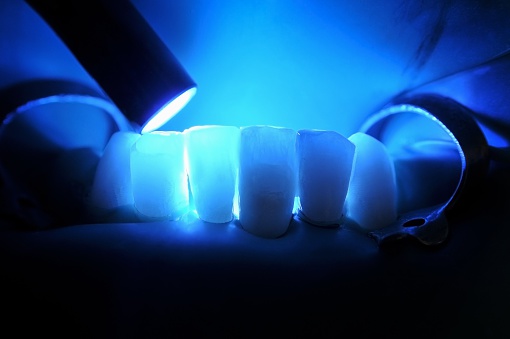
- A special blue light hardens it in place.
Do sealants hurt? Can my child eat afterward?
MouthHealthy describes placement as quick and painless. NIDCR calls it simple and painless. The CDC notes that children can eat and drink normally after sealants are placed. According to MouthHealthy, sealants have no known side effects other than a possible allergy.
How long do dental sealants last?
Sealants often last several years before they need to be reapplied, according to MouthHealthy. The CDC says they can last for many years. Your dentist checks them at regular visits and reapplies them as needed, so routine checkups are part of keeping sealants working.
Are dental sealants safe?
Some parents ask about BPA. MouthHealthy explains that sealants contain a tiny amount of BPA that is not enough to cause harm. People typically get more exposure from everyday sources such as receipts, cosmetics and dust. The ADA states that there is no health concern relative to BPA exposure from any dental material.
Are sealants worth it?
For a child with deep grooves in newly erupted molars, sealants are a quick step that adds protection where food and germs tend to collect. They do not replace brushing with fluoride toothpaste, cleaning between the teeth or limiting sugary snacks and drinks, which protect the surfaces sealants do not cover.
If you notice chalky white spots on your child's teeth, our guide to white spots on teeth explains common causes and why they are worth having checked.
When to see a dentist
Ask about sealants at your child's next checkup, especially once the first permanent molars appear around age 6 or the second molars around age 12. Book a visit sooner if your child has a toothache, a dark spot or hole in a molar, or sensitivity when chewing. These can mean decay is already present and may need a different treatment.
What to expect at our Palo Alto office
Dr. Shawn Sharma and our team care for children and parents in the same Midtown Palo Alto practice, which has served local families since 1958. Our children's dental care visits are calm and unhurried. At checkups we can look at the grooves of each new molar and talk with you about whether dental sealants make sense for that tooth.
Most PPO plans can likely be used here. We submit claims for you and give you an estimate before treatment. You can check how your plan works with us. Families visit us from Palo Alto, Menlo Park and Stanford.
Common questions
Can adults get dental sealants?
Yes. MouthHealthy notes that children and adults can both benefit from sealants, though the earlier they are placed the better. Ask at your next exam whether any of your own molars would benefit.
Do sealants replace brushing and fluoride?
No. Sealants cover only the chewing surfaces of the back teeth. Brushing with fluoride toothpaste and cleaning between the teeth still matter for every other surface.
Can a sealant go over a cavity?
Sealants are meant for healthy grooves or very early changes. The ADA and AAPD guideline found they can help keep some early decay in the grooves from progressing. A tooth with an actual cavity usually needs a different treatment, such as a filling.
To ask whether your child's molars are ready for sealants, request an appointment or call (650) 321-9693.
Medically reviewed by Dr. Shawn Sharma, DDS, on October 28, 2026.
Sources
American Dental Association, MouthHealthy: Sealants
National Institute of Dental and Craniofacial Research: Dental Sealants
American Dental Association: Dental Sealants
This article provides general education and does not replace an individual dental examination or diagnosis.