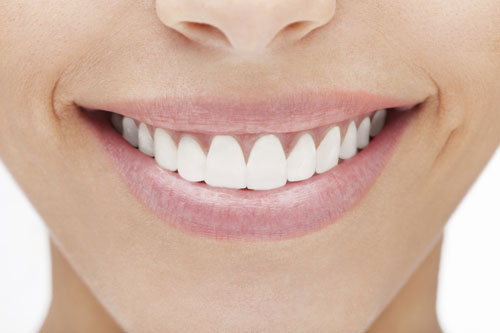

Chalky white spots on teeth are common and can be frustrating, especially on front teeth. They are not all the same. Some are an early warning sign of decay, some formed while the teeth were developing in childhood and some are temporary. Knowing the cause matters, because the right treatment depends on it.
What causes white spots on teeth?
- Demineralization (early decay). When plaque sits on enamel, acids pull minerals out of the surface and leave a dull, chalky white area. These spots often appear along the gumline or around where braces brackets were. They are an early stage of a cavity and can sometimes be reversed.
- Dental fluorosis. Taking in more fluoride than needed while teeth are forming in early childhood can cause faint white streaks or flecks. It is cosmetic and does not mean the teeth are weak.
- Developmental enamel defects. Illness, injury to a baby tooth or other factors during tooth development can leave white or creamy patches with softer enamel.
- Temporary dehydration. Teeth can look patchy right after a long dental visit, after whitening or after sleeping with your mouth open. These spots fade within hours.
Can white spots on teeth go away?
Early demineralization can improve when the enamel gets a chance to remineralize. Fluoride toothpaste, professionally applied fluoride and better plaque control can help stop the process and sometimes make the spot less visible. Fluorosis and developmental defects do not go away on their own, but they can often be treated cosmetically.
How are white spots treated?
- Fluoride and remineralization for early decay, to strengthen enamel and prevent a cavity
- Resin infiltration, a minimally invasive technique that can blend some white spot lesions without drilling
- Microabrasion to gently remove a thin surface layer for some shallow spots
- Composite bonding to cover deeper or more noticeable areas with tooth colored material
- Porcelain veneers when spots are widespread and other options would not give the desired result
Will teeth whitening get rid of white spots?
Sometimes, but not reliably. Whitening lightens the surrounding tooth and can make some spots blend in better over time, yet it can also make spots look more noticeable at first. Planning matters. Learn more about professional whitening and how it fits with other treatments.
How can I prevent new white spots?
- Brush twice daily with fluoride toothpaste, paying close attention to the gumline and around braces or aligner attachments.
- Clean between your teeth every day.
- Limit how often you sip sugary or acidic drinks.
- Keep up with regular cleanings and exams.
White spot treatment in Palo Alto
Dr. Sharma can determine what is causing your white spots and recommend the most conservative option that works for your smile. Palo Alto Oral Health sees patients from Palo Alto, Menlo Park, Los Altos and Stanford. Call (650) 321-9693 or request a cosmetic consultation.
This article provides general education and does not replace an individual examination.