What to expect with porcelain veneers.
Veneers can change the color, shape and proportion of selected teeth. Treatment should begin with the reason for the change, so here is how we plan, prepare and bond them, step by step.


From planning to final ceramics
Four careful steps.
Diagnosis and planning
Tooth position, enamel, existing restorations, gum health and your bite all influence whether veneers are appropriate. We compare whitening, bonding and orthodontics before recommending removal of healthy enamel. A diagnostic wax up or mockup may preview shape and proportion.
Preparation and temporaries
The amount of enamel preparation varies by case. Our goal is to preserve as much healthy tooth as possible. Local anesthetic keeps you comfortable. Temporary veneers protect the teeth and tell us about shape, length and bite while the laboratory crafts your ceramics.
Evaluation and final bonding
Before bonding, we evaluate fit, shade, proportion and how the veneers relate to your teeth and gums. Changes are discussed first. The veneers are bonded with an adhesive protocol chosen for the ceramic and tooth, then the bite and margins are checked carefully.
Aftercare and maintenance
We review brushing, cleaning between teeth and any bite protection, such as a nightguard if you grind or clench. Follow up is individualized. Veneers are monitored as part of your regular dental care.
How veneers work
Porcelain veneers are thin ceramic restorations bonded to the front surface of teeth. They can mask some discoloration and alter form. They do not treat active disease or correct every orthodontic problem.
That is why we compare whitening, bonding and orthodontic treatment before recommending veneers. It is also why healthy gums and a stable bite come first.
Materials chosen for the case
Ceramic selection, adhesive technique and preparation design are chosen for the individual tooth and goal. No single material or technique is ideal for every patient.
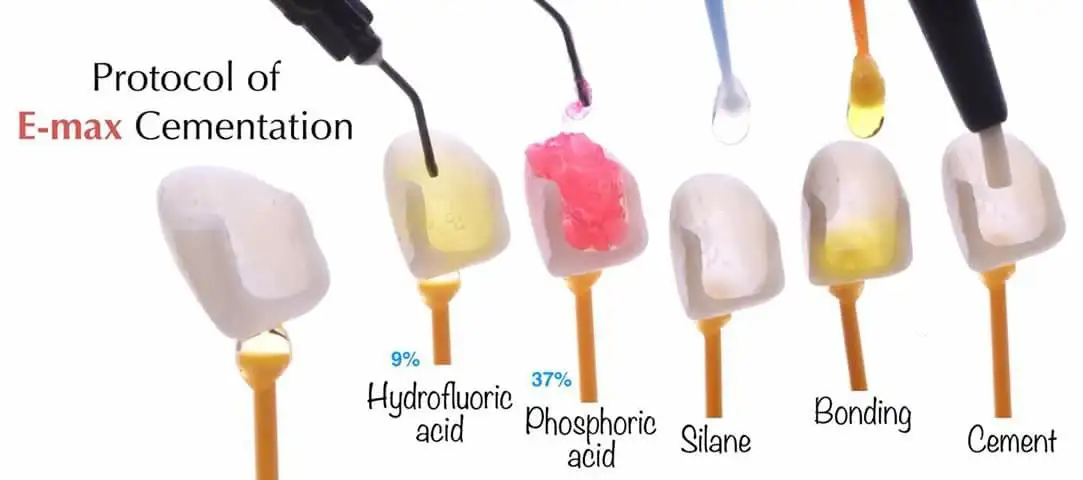
- Evidence based selection. Established restorative principles and current evidence guide materials and bonding protocols.
- Craftsmanship and precision. Fit, contours, surface texture and the bite are evaluated, because long term function matters as much as appearance.
- Continued education. Materials and techniques evolve, so we keep reviewing current evidence and training.
Is it right for you?
The best way to know is a consultation. Dr. Sharma will examine your teeth, gums and bite, explain which changes are realistic and give you an estimate before any treatment begins.
