
If you have a crown, or your dentist has suggested one, it is natural to wonder how long it will last. A crown is an investment of time and care, and most people want to know what to expect before and after it is placed.
The short answer is that crowns are durable, but they are not permanent. This guide explains what a crown does, what research says about how long crowns tend to last, what can shorten their life and how to help yours stay in good shape.
What does a dental crown do?
The American Dental Association (ADA) describes a crown as a cover for a tooth that helps restore it to its normal shape and size. A crown can make a tooth stronger and improve its appearance.
According to the ADA, crowns are used for several reasons:
- To strengthen a tooth with a large filling when there is not enough tooth left to hold the filling
- To protect a weak tooth from breaking or to restore one that is already broken
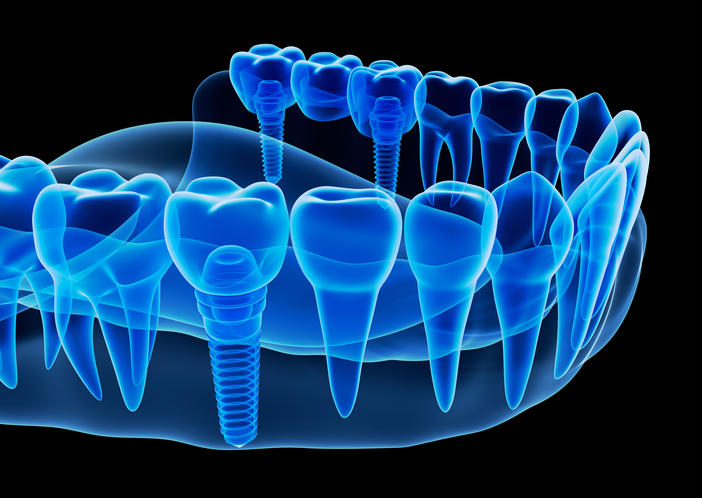
- To attach a dental bridge
- To cover a tooth that is discolored or badly shaped
- To cover a dental implant
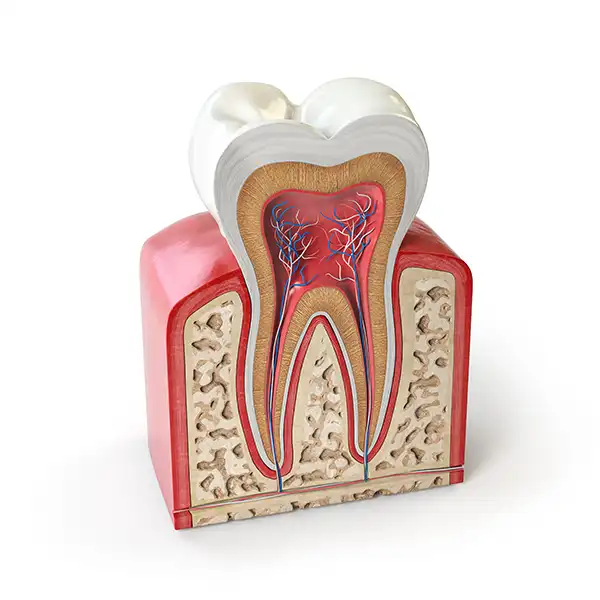
Because a crown is often placed on a tooth that has already been weakened, how long it lasts depends partly on the health of the tooth underneath, not just the crown itself.
How long do crowns usually last?
There is no single expiration date for a crown. How long one lasts depends on the material, the condition of the tooth it covers, the forces it takes from biting and chewing, and how it is cared for over time.
Research on crowns is reassuring. A 2015 systematic review in the journal Dental Materials pooled 67 clinical studies covering more than 14,000 single crowns on natural teeth. It estimated that after 5 years:
- About 94.7% of metal-ceramic crowns (porcelain fused to metal) were still in place
- About 96.6% of lithium disilicate or leucite reinforced glass ceramic crowns were still in place
- About 96% of densely sintered alumina crowns and about 92.1% of zirconia crowns were still in place
In other words, in the studies reviewed, the large majority of crowns were still working five years after they were placed. Many crowns last well beyond that, but the review focused on the five-year mark, so it does not give a single number for how long a crown lasts over a lifetime.
Does the crown material make a difference?
It can. The same review found that survival for most types of all-ceramic crowns was similar to that of metal-ceramic crowns. Weaker feldspathic or silica-based ceramics had lower survival rates, and the authors suggested limiting them to front teeth.
The review also found that zirconia-based crowns were more often lost because of fractures in the outer porcelain layer and because of loss of retention, meaning the crown came loose. Your dentist can explain which material makes sense for the location of your tooth, your bite and your goals.
What can shorten the life of a crown?
The 2015 review grouped crown problems into three broad types: biological, technical and esthetic. In everyday terms, a crown may need attention because of a problem with the tooth or gums around it, a problem with the crown itself, such as a chip, fracture or loosening, or a change in how it looks.
Habits can play a role as well. The ADA notes that teeth grinding can lead to chipped or cracked teeth and worn, damaged spots along the edges of teeth. If you grind or clench, especially at night, it is worth mentioning at your visit. The ADA notes that a dentist may recommend a night guard to protect your teeth while you sleep, and that a custom guard made from a mold of your teeth gives the closest fit.
How can you help your crown last longer?
A crown covers the visible part of a tooth, but the tooth and gums around it still need daily care. The ADA recommends:
- Brushing twice a day with a soft-bristled brush
- Using an ADA-accepted fluoride toothpaste
- Cleaning between your teeth once a day
- Replacing your toothbrush every three to four months, or sooner if the bristles are frayed
- Seeing your dentist regularly for prevention and treatment
What signs mean a crown should be checked?
Contact your dentist if you notice any of the following:
- A crown that feels loose or has come off
- A chip, crack or rough edge on the crown
- Pain, sensitivity or swelling around a crowned tooth
- A bite that suddenly feels different when you close your teeth together
These signs do not always mean a crown has failed, but they are worth having examined. Anything that is persistent or getting worse should be checked rather than waiting for your next routine visit.
Talking about crowns in Palo Alto
A crown can protect and restore a tooth for many years when it is well planned and cared for. At Palo Alto Oral Health, we can examine your teeth, check any existing crowns and talk through whether a crown or another option fits your needs. You can learn more about our dental crown treatment, call (650) 321-9693 or request an appointment.
Sources
American Dental Association, MouthHealthy: Crowns
American Dental Association, MouthHealthy: Teeth Grinding
American Dental Association, MouthHealthy: Brushing Your Teeth
This article provides general education and does not replace an individual dental examination or diagnosis.